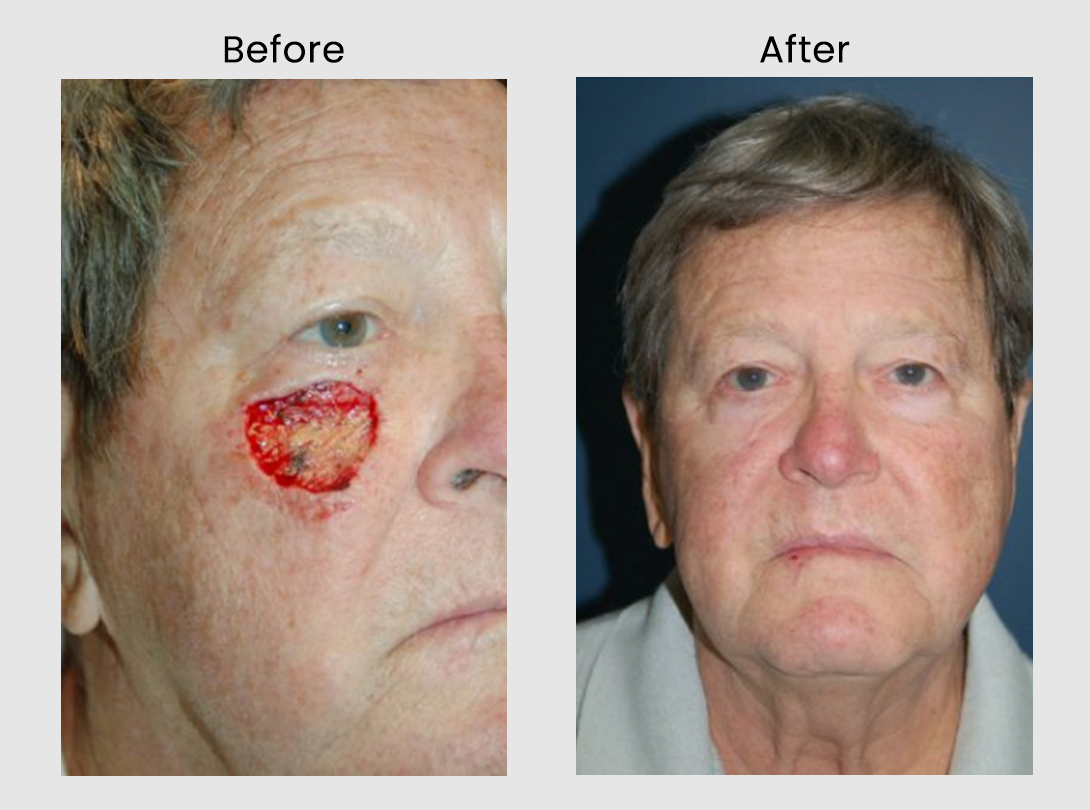
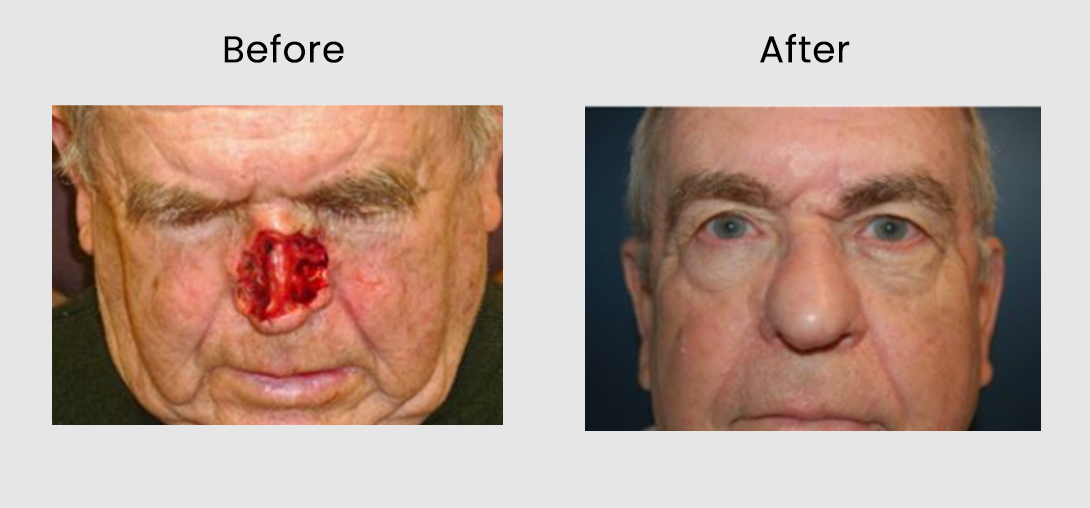
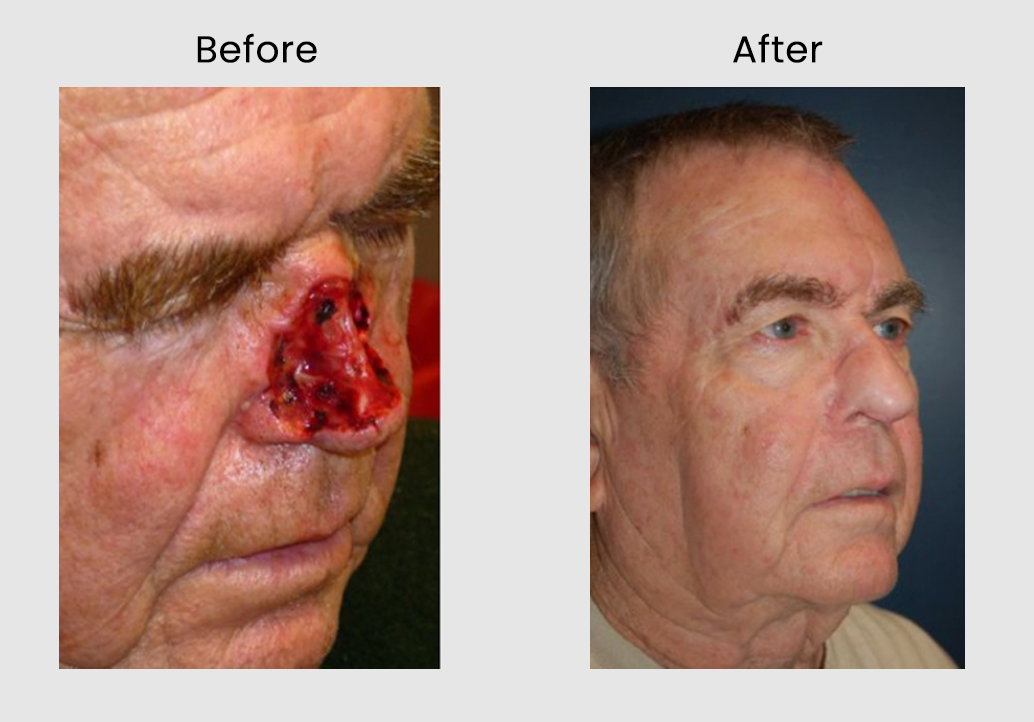
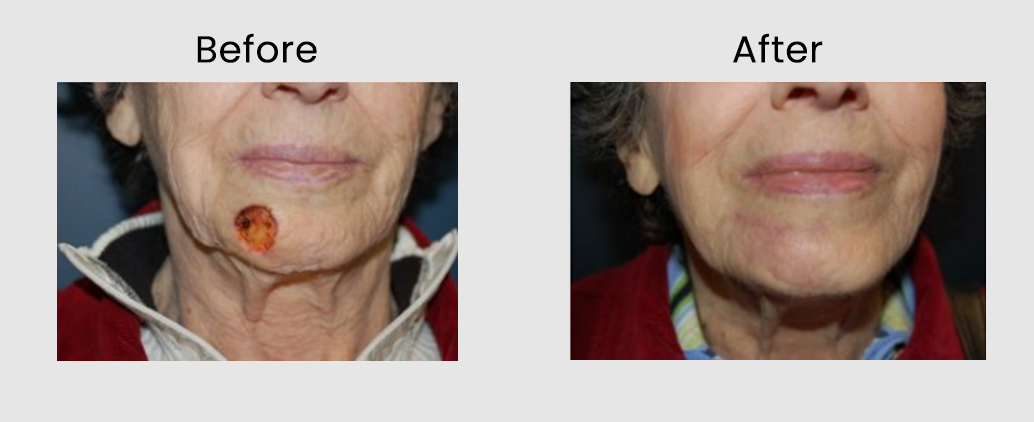
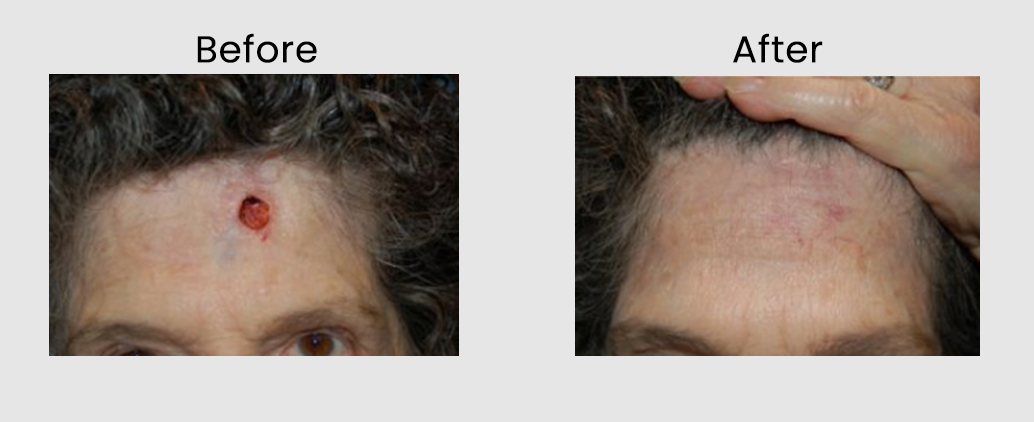
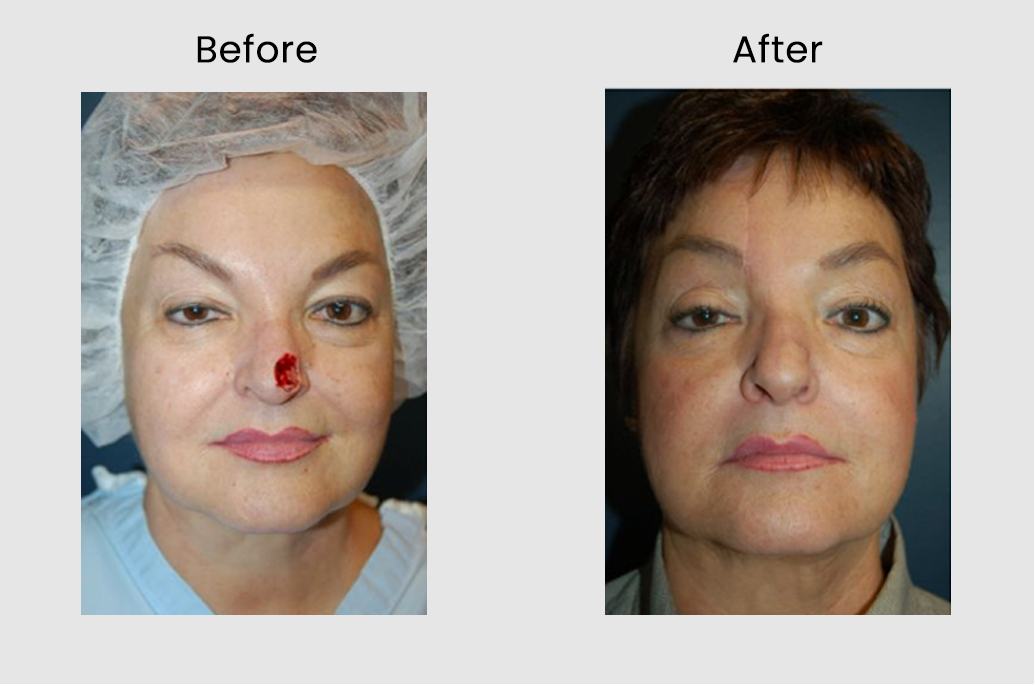
Cancer defect reconstruction is a specialized form of reconstructive surgery aimed at repairing facial or body defects that result from the surgical removal of skin cancer. After a cancerous lesion is excised—often using Mohs micrographic surgery—the goal shifts to restoring both appearance and function using the most suitable tissue. Techniques range from straightforward closures to advanced flap procedures that seamlessly reconstruct affected areas.
How It Works
Once a dermatologic surgeon removes cancerous tissue, a reconstructive plastic surgeon assesses the defect and tailors a repair plan. This might involve a simple suture closure if the defect is small, or a more complex rotational or pedicled flap to bring living tissue into place for larger or deeper wounds. The choice of technique depends on the size, location, depth of the defect, and individual patient factors.
Recovery and Aftercare
Recovery varies depending on the complexity of the reconstruction but usually involves short-term swelling and mild discomfort. Healing is monitored closely, and sutures or dressings are adjusted as the tissue settles. Follow-up care focuses on ensuring proper wound healing, minimizing scarring, and restoring both cosmetic results and functional integrity.
See the Results for Yourself
Explore our gallery to view real patient results and see what’s possible with expert care.